The highly acclaimed television series Downton Abbey has taken Britain and the United States by storm in its first two seasons, and many fans anxiously await the premiere of its third season (coming to the U.K. this fall and to the U.S. in January). Set in the early twentieth century—the first episode begins with the sinking of the Titanic—the show deals with the triumphs and conflicts both of England’s wealthy elite and of the men and women who serve their households. It chronicles the lives of the fictional Crawley family, the aristocratic residents of the Yorkshire estate called Downton Abbey, whose abiding concern is to confirm an heir to their name and fortune.
Despite several glaring weaknesses, including the use of amnesia as a central plot device and the erratic character developments of the second season (e.g., the habitually naïve then suddenly sage Lady Cora), the series is a stunning specimen of “upstairs/downstairs” drama. Some critics have complained, unjustly, of its allegedly “pro-aristocratic” tendencies. Thrall to the democratic impulse, and bound by their own egalitarian, neo-Marxist consciences, such critics remain fixated on the societal inequalities that are part of the story’s dramatic and historical fabric. Apparently, seeing the valet dress the lord of the manor is just too much for certain individuals.
Ultimately, however, imposing the hermeneutic of class warfare upon Downton Abbey simply misses the point. It distracts from the show’s greatest strength: its compelling portrayal of the interplay of virtue and vice. In terms of interpretation, the narrow, modern preoccupation with “the oppression of the servile class and the exaltation of the rich” bears no comparison to the expansive, timeless concern with the struggle between good and evil.
There are several reasons critics ought to spill less ink over the consideration of “social inequality” in Downton. First, virtue and vice (acquired dispositions toward either good or evil) are more universal themes than the economic or societal injustices of any one time period. In every age all human beings must wrestle with the pull toward selfishness and sin.
Second, characters on either side of the great divide—whether they dine in the manor’s formal salle à manger or downstairs with the servants—demonstrate in different ways propensities toward virtue and vice. Permit the following crass caricature: Lady Mary, Thomas (the footman), O’Brien (the ladies’ maid), and the Duke of Crowborough all struggle with different forms of pernicious vice. On the other hand, Lord Grantham, Mr. Carson (the butler), William (the second footman), Mrs. Hughes (the housekeeper), and Matthew Crawley (the heir) are more or less exemplars of virtue. Thus, neither wealth and title nor poverty and obscurity serve as reliable indicators of a person’s moral stature.
Caricatures aside, none of Downton’s characters can be neatly labeled as virtuous or vicious, and this testifies to the show’s genius. The complexity of the human condition, manifested in the turmoil of the characters’ lives and moral choices, provides the drama that has succeeded in attracting such a wide audience. Indeed, the reason for the show’s popularity is quite simple: it captures, on the one hand, the nobility of men and women determined to lead morally upright lives and, on the other hand, the mediocrity and depravity of those who cannot see that happiness lies in the pursuit of virtue.
Downton dares to delve into the heart of what it means to be human, thereby vividly demonstrating that, just as wealth and prestige do not confer happiness, so their lack is no cause of misery. Man needs more than riches and honor to be truly satisfied. To dismiss Downton Abbey on the grounds that it misrepresents the relationship between the working classes and the landed gentry would be akin to discarding the works of Jane Austen or Gone with the Wind because, to a certain extent, they idealize history.
So do not be taken in by reductionist critiques of Downton Abbey. View the series without ideological bias, and you will be rewarded with a vivid, compelling portrait of humanity.
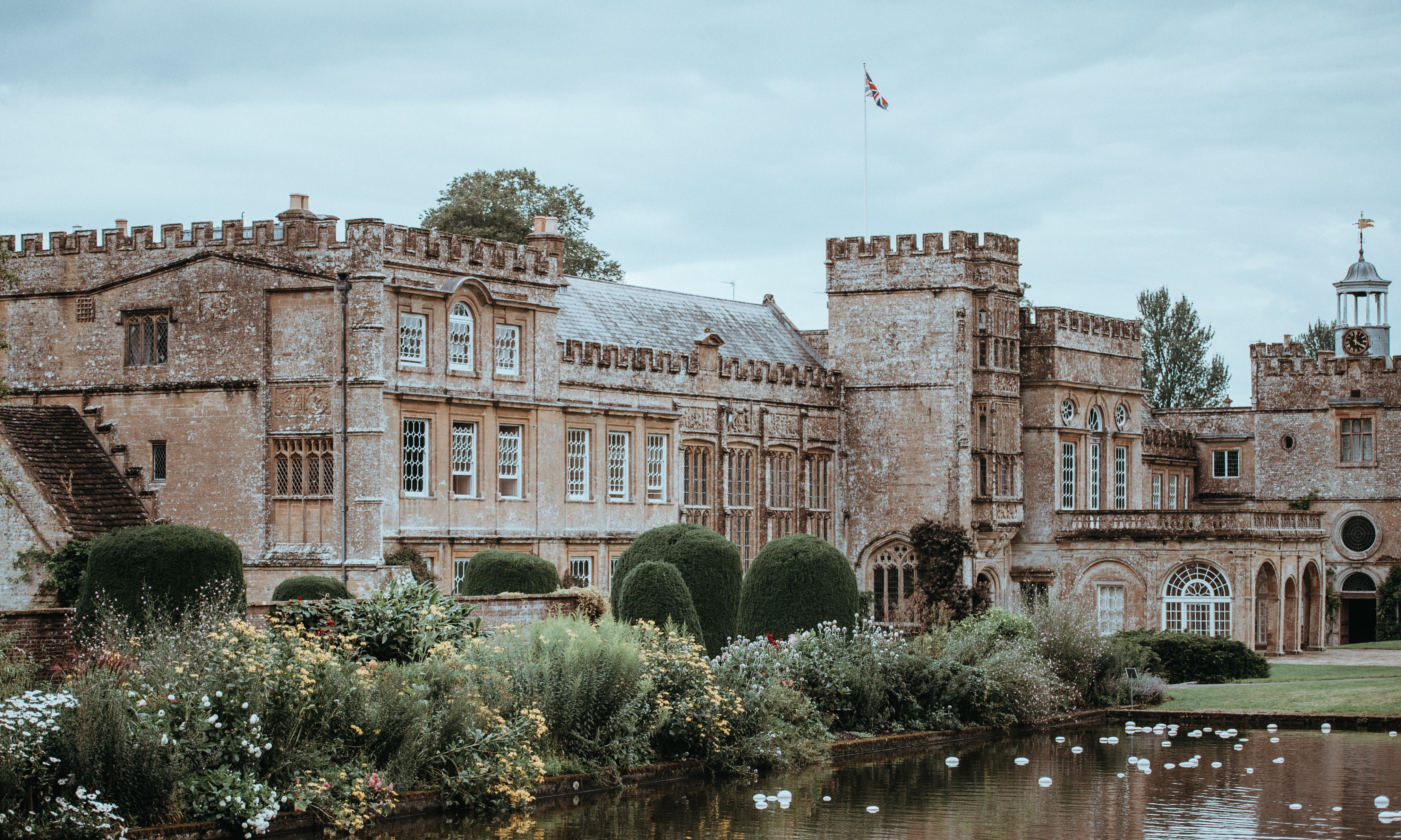
Photo by Annie Spratt on Unsplash