Finding Meaning at the Movies By Fr. Gregory Maria Pine, O.P.|2015-01-19T04:28:59-05:00February 7, 2014|Movies & TV|
Not Quite a Prophet: Walker Percy By Br. Augustine Buckner, O.P.|2023-11-25T10:39:55-05:00November 25, 2023|† Featured Series, Books, Philosophy, Preaching, The American Catholic Authors, Wisdom|
Summer Schedule Announcement By The Editors|2023-06-01T05:42:57-04:00June 1, 2023|† Featured Series, 2023 Summer Reading Recommendations|
How to Live with Reason and Rest: An Interview with Father Thomas Joseph White, O.P. By Br. Bertrand Hebert, O.P.|2022-12-21T23:54:57-05:00December 21, 2022|† Dominicana Journal, Lives of the Brethren|
Finding Time for Fun with the Virtue of Eutrapelia By Br. Raymond La Grange, O.P.|2022-12-21T23:45:48-05:00December 21, 2022|† Dominicana Journal, Featured|
You Should See the Other Guy By Br. Damian Day, O.P.|2021-05-13T14:34:48-04:00May 19, 2021|Death, Suffering, Theology|
Going Over Jordan By Br. Basil Burroughs, O.P.|2020-06-30T20:35:47-04:00July 1, 2020|History, Movies & TV|
A Certain Unanalysable Savour By Br. Ephrem Maria Reese, O.P.|2020-05-10T12:47:30-04:00May 12, 2020|Culture, Holy Spirit, Virtue|
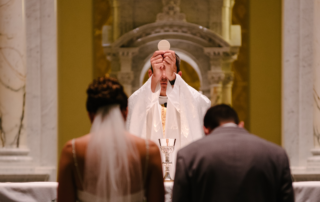
Letter to an Engaged Friend By Br. Titus Mary Sanchez, O.P.|2020-02-29T16:16:20-05:00March 2, 2020|Family, Movies & TV, Vocation|
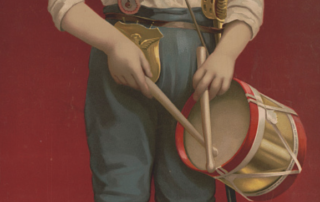
I Played My Drum for Him By Br. Titus Mary Sanchez, O.P.|2019-12-26T09:46:31-05:00January 2, 2020|Christmas, Movies & TV, The Sights and Sounds of Christmas|
Horror and Holiness By Br. Basil Burroughs, O.P.|2019-10-29T11:34:58-04:00October 31, 2019|Death, Events|
What are you fighting for? By Br. Joseph Graziano, O.P.|2019-02-17T16:47:24-05:00February 20, 2019|Culture, Friendship & Happiness, Vocation|
The Actor-Martyr and Film By Br. Luke VanBerkum, O.P.|2019-01-27T14:17:43-05:00January 31, 2019|Faith and Film Friday, Movies & TV, New Evangelization|
St. Thomas the Teacher By Br. Bartholomew Calvano, O.P.|2019-01-27T13:23:32-05:00January 28, 2019|Dominican Order, Saints|
Stuck in the Molasses Swamp By Br. Joseph Graziano, O.P.|2018-08-15T20:34:15-04:00August 21, 2018|Self-knowledge, Virtue & Moral Life|
The Savior Still Tenderly Pleads By Br. Dominic Koester, O.P.|2018-04-21T18:51:27-04:00April 17, 2018|Prayer, Singing the Gospel|
The Gods of the Heathens By Br. Damian Day, O.P.|2017-11-26T13:52:22-05:00November 29, 2017|Christology, Movies & TV|
The Forming Home By Br. Justin Mary Bolger, O.P.|2017-05-24T06:39:03-04:00May 24, 2017|† Dominicana Journal, Books, Catholicism, Culture, Family, The Locutorium|
Saintly Fathers & Manly Virtues By Fr. Joseph Martin Hagan, O.P.|2017-10-04T10:25:06-04:00May 23, 2017|† Dominicana Journal, Adopted Sonship, Family, Featured, Saints, Vocation|
Grace Under Pressure By The Editors|2017-05-23T19:54:41-04:00May 23, 2017|† Dominicana Journal, Bible, Culture, Disputed Question, Leisure, Movies & TV, Politics, Theology, Video, Virtue, Vocation|