Announcing Dominicana 65: Recreation, Play, and the Christian Life By The Editors|2023-02-02T10:42:20-05:00December 22, 2022|Culture, Leisure, Virtue & Moral Life|
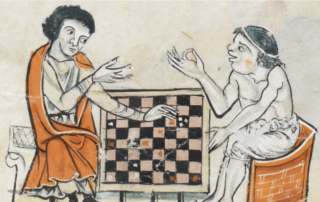
Virtue and Vice on Vellum: Marginalia in Medieval Manuscripts By Br. Jeremiah Tobin, O.P.|2022-12-22T00:24:18-05:00December 22, 2022|† Dominicana Journal, Art Exposition|
Sports as a School of Virtue: An Interview with Father Chase Hilgenbrinck By Br. Thaddeus Pistrang, O.P.|2022-12-21T23:48:13-05:00December 21, 2022|† Dominicana Journal, The Locutorium|
Finding Time for Fun with the Virtue of Eutrapelia By Br. Raymond La Grange, O.P.|2022-12-21T23:45:48-05:00December 21, 2022|† Dominicana Journal, Featured|
The Virtue of Religion and the Pandemic By Br. Nicholas Hartman, O.P.|2021-03-11T22:55:16-05:00March 12, 2021|Theology, Virtue, Virtue & Moral Life|
Naturally Manly? Nature and Grace in Manly Virtue By The Editors|2019-01-11T21:50:13-05:00January 12, 2019|† Dominicana Journal, Disputed Question|
Martyrdom and the Moral Life By Br. Nicholas Schneider, O.P.|2023-01-29T13:47:45-05:00December 10, 2016|† Dominicana Journal, Book Review, Suffering, Virtue, Virtue & Moral Life|
Putting Morality Back Together By Br. Leo Camurati, O.P.|2016-08-14T22:09:01-04:00December 1, 2015|† Dominicana Journal, Book Review|
The Way of Shame: Moral Education in Northanger Abbey By Br. Aquinas Beale, O.P.|2015-01-18T03:34:45-05:00April 9, 2014|Austen the Aristotelian, Books, Culture, Virtue & Moral Life|
What’s Amiss With Moralism By Fr. Leo Checkai, O.P.|2020-07-02T09:36:58-04:00July 2, 2012|Virtue & Moral Life|
Yiayia’s Nagging Morals By Fr. Gabriel Torretta, O.P.|2015-01-31T19:25:51-05:00April 25, 2012|Culture, Movies & TV, Virtue & Moral Life|
Growing the Tree of Wisdom By Br. Cyril Stola, O.P.|2023-08-17T16:31:06-04:00August 18, 2023|2023 Summer Reading Recommendations, Books, Faith, Grace, Grace, Wisdom|
Where in the World is the Blessed Virgin Mary? By Br. Thomas Nee, O.P.|2023-08-07T23:12:08-04:00August 15, 2023|Blessed Virgin Mary, Catholicism, Death, Discipleship, Dominican Order, Saints, Wisdom|
The Ethics of Friendship By Br. Linus Martz, O.P.|2023-05-22T19:43:49-04:00June 2, 2023|† Featured Series, 2023 Summer Reading Recommendations, Books, Friendship & Happiness, Grace, Philosophy, Virtue & Moral Life|
Remedy for a Common Evil By Br. Cyril Stola, O.P.|2023-01-18T13:25:24-05:00January 20, 2023|Bioethics, Charity, Culture, Grace, Penance|
In Pursuit of the Heights of Glory By Br. Pius Henry, O.P.|2022-12-22T00:15:45-05:00December 22, 2022|† Dominicana Journal, Book Review|
Teaching Prudence with Wisdom By Br. Nicodemus Thomas, O.P.|2022-12-22T00:12:41-05:00December 22, 2022|† Dominicana Journal, Book Review|
Ecstatic Loving: Moving toward the Divine By Br. Cornelius Avaritt, O.P.|2022-12-22T00:17:36-05:00December 22, 2022|† Dominicana Journal, Book Review|
Gesta Doctrinamque: Christian Modesty and Worldly Entertainment By Br. Juan Macias Marquez, O.P.|2022-12-22T00:10:26-05:00December 21, 2022|† Dominicana Journal, Gesta Doctrinamque|
The Child of God Must Play By Br. Christopher Daniel, O.P.|2022-12-21T23:59:15-05:00December 21, 2022|† Dominicana Journal, Contemplata|
Muscular Christianity Re-Examined By Br. Basil Burroughs, O.P.|2022-12-22T01:31:36-05:00December 21, 2022|† Dominicana Journal, Featured|
The Playfulness of Sacred Scripture By Br. Micah Kim, O.P.|2022-12-21T23:02:32-05:00December 21, 2022|† Dominicana Journal, Featured|
Recreation and Re-Creation: A Thomistic Take on the Analogy between Liturgy and Play By Br. Gregory Santy, OP|2022-12-21T23:44:17-05:00December 21, 2022|† Dominicana Journal, Featured|
I Will Put My Spirit Within You By Br. Linus Martz, O.P.|2022-06-24T08:31:02-04:00June 17, 2022|† Featured Series, 2022 Summer Reading Recommendations, Books, Dominican Order, Holy Spirit, Saints|