One Girl, Two Worlds, One Massive Party: Inside the Dominican-American Quinceañera Glow-Up
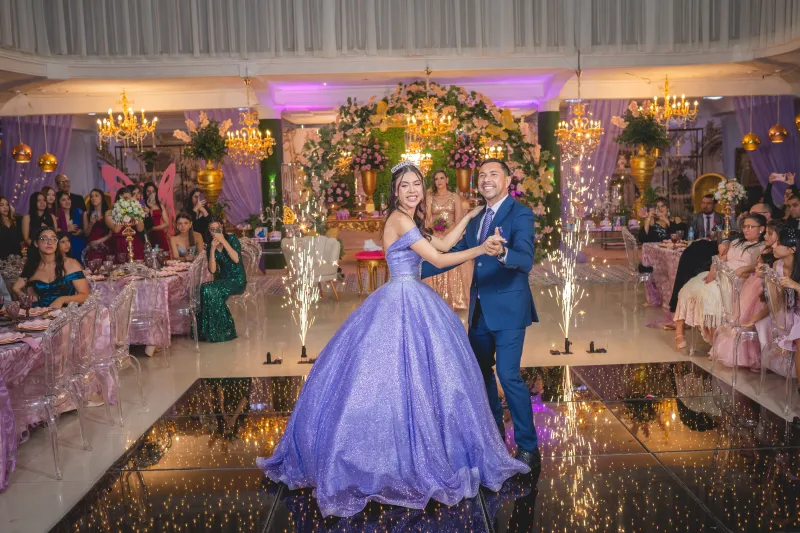
Photo: quinceañera celebration father daughter dance ballroom, via images.pexels.com
Somewhere between the champagne-colored gown hanging in a Washington Heights boutique and the TikTok drone shot of a court of nine doing a rehearsed entrance, the Dominican quinceañera has quietly become one of the most ambitious productions in the diaspora calendar.
Ask any Dominican mother in New York, Providence, or Lawrence, Massachusetts, and she'll tell you: this is not a birthday party. This is a statement. Sometimes it rivals — or outright outspends — a wedding.
The Waltz Stays. Everything Else Is Negotiable.
Strip away the LED screens and the smoke machines, and the skeleton of the celebration remains remarkably traditional. The changing of the shoes — la mamá swapping her daughter's flats for heels on stage — still brings abuelas to tears. The father-daughter waltz, often rehearsed for weeks in a living room with the furniture pushed against the wall, is still non-negotiable.
"You can take away the tiara, you can change the colors, but the waltz with papí? Never," says Maribel, a party planner in the Bronx who has staged over 200 of these events. "That's the moment the whole room films vertically."
But around that sacred core, second-generation daughters have been busy renovating.
From Salon Ballroom to Instagram Aesthetic
The traditional salón de eventos with its gold chiavari chairs is getting competition from venues that photograph better. Girls now arrive with mood boards, color palettes, and — increasingly — a hired content creator to capture the night for a curated post.
The quince court has evolved too. The classic chamberlain-and-damita pairing now shares the dance floor with "squads" choreographed to a mashup that might jump from bachata to reggaetón to a Dembow drop, sometimes with a choreographer booked months in advance.
Some families blend in American prom culture entirely: after-dinner afterparties, photo booths, even a "sweet sixteen sequel" for girls whose families couldn't afford the quince the first time around.
The Budget Reality Check
Here's the part nobody posts about: the cost. Full-service quinceañeras in major Dominican diaspora hubs routinely run $15,000 to $40,000. Planners describe parents taking on second jobs, borrowing from family circles, and spreading payments across a year of deposits.
"The parents want to give what they never had," Maribel explains. "A lot of these moms came here with nothing. The party is a receipt. It says, we made it."
Daughters, meanwhile, are increasingly pushing back — opting for smaller ceremonies, travel instead of banquets, or down payments on cars. The negotiation between generations can be tense, but it's also where the culture is actively being rewritten.
What Gets Kept, What Gets Created
What emerges from these negotiations isn't a diluted tradition — it's a living one. The chambelán might be a best friend instead of a boyfriend. The court might dance to Romeo Santos instead of a classical waltz. The dress might be black. But the shoes still change. The father still dances. The tía still cries.
The Dominican quinceañera in the U.S. isn't losing its soul to American culture. It's just learning to flex in both languages — one heel at a time.