The Pot Knows Best: Inside the Never-Ending Dominican Sancocho Argument
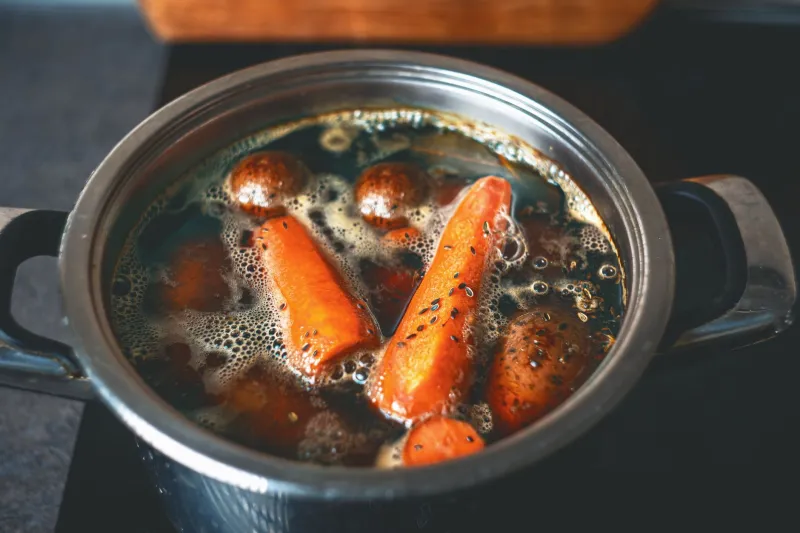
Ask a Dominican family what makes a proper sancocho and you will not get a recipe. You will get a legal brief. The pot is thick, the root vegetables are nonnegotiable, and whoever is stirring has strong opinions about whether the broth should be cloudy or clear. By 2026, with Dominican communities spread from Washington Heights to Orlando to Los Angeles, the argument has only gotten louder—and more delicious.
Sancocho is not just soup. It is a weekend project, a group chat topic, and a mild form of family court. The case usually begins with someone saying, gently, that the yuca is a little hard. It ends with three people in the kitchen defending their grandmother's honor.
First Rule: There Is No Neutral Pot
In the Dominican Republic, sancocho changes by province, by town, and sometimes by block. There is sancocho de siete carnes, the heavyweight version built for holidays and major news. There is a lighter chicken sancocho for a rainy Tuesday. There are versions with corn, versions without, and versions that quietly become something else if the person cooking is in a hurry.
The diaspora did not simplify this. It multiplied it. In Paterson, New Jersey, a cook might use frozen yuca because that is what the market has. In Kissimmee, Florida, someone swears by calabaza from a Latin grocer. In the Bronx, the pot might be smaller, the stove electric, and the guest list tighter. None of that stops the table from having opinions.
The Yuca vs. Plantain Cold War
Yuca is the backbone. No, plantain is the body. Actually, both belong, along with ñame, yautía, potatoes, and whatever else is in the basket that day. This is the part where families stop being diplomatic.
Some cooks insist that too much plantain turns the broth sweet. Others say sancocho without plantain is just a root-vegetable boil with a fancy name. The yuca camp argues texture. The plantain camp argues body. The corn faction waits patiently, because corn always wins.
‘If I can’t stand my spoon in it, it’s soup, not sancocho,’ says Marisol, a home cook in Paterson who has been making the same pot for more than three decades. She laughs when asked for measurements. ‘You measure with your eye and your mother’s voice in your head.’
That is the real recipe. Not cups and grams, but memory, correction, and the fear of being talked about at the next family gathering.
The Meat Question and the Bone Vote
Every family has a meat doctrine. Some keep it simple with chicken. Some go for pork ribs, beef, and smoked bones. Others bring oxtail into the conversation and refuse to apologize. The bone is not decoration; it is flavor, and anyone who removes it too early has committed a minor offense.
In the United States, the meat question gets practical. Butchers may not cut things the way they do on the island. Smoked bones might be found in one market and not another. Families adapt, but they do not always admit it. The pot that reaches the table is presented as tradition, not compromise.
Diaspora Adjustments Without Surrender
Here is the open secret of the Dominican-American kitchen: the sancocho is always adapting. Electric stoves do not behave like open flame. A five-quart pot is not the same as the giant caldero that feeds a whole building. Frozen yuca is not fresh yuca, and everyone knows it.
But adaptation is not surrender. Cooks learn which market has the right ñame, which bodega sells the plantains that are just green enough, and which neighbor will lend a bigger pot without asking too many questions. They learn to season in layers because the broth needs time even when the schedule does not.
The goal is not museum authenticity. It is continuity. A pot that tastes close enough to home is still a pot that tastes like home.
The Tribunal at the Table
Serving sancocho is a performance review. Someone will ask if there is enough cilantro. Someone will say the color is a little light. Someone will mention that their grandmother used more garlic, or less, or exactly the right amount, depending on which grandmother is being invoked.
The correct response is not defense. It is a second bowl. In Dominican families, criticism and hospitality are often the same gesture. If nobody is arguing about your sancocho, they may not love you enough.
And the best bowl is always someone else’s abuela’s. That is not because the recipe is better. It is because absence seasons everything. The memory of a kitchen you cannot return to will always beat the pot in front of you, even when the pot in front of you is excellent.
Why the Argument Is the Recipe
The sancocho wars are not really about yuca or plantain or bones. They are about belonging. In the diaspora, a pot of sancocho is a roll call. It says you are still here, still cooking, still arguing about the right way to do something that has no single right way.
The argument keeps the recipe alive. It forces the next generation to ask questions, take notes, and burn a pot or two. It makes room for the cousin who married outside the culture, the neighbor who always shows up hungry, and the kid who only eats the corn. Everyone gets a bowl. Everyone gets an opinion.
So go ahead and defend your family’s version. Just know that somewhere, another abuela is doing it differently and her grandchildren are just as sure she is right. That is not a problem. That is the whole point.