Beyond the Wire Transfer: The Kids of the Remittances Era Are Investing, Not Just Sending
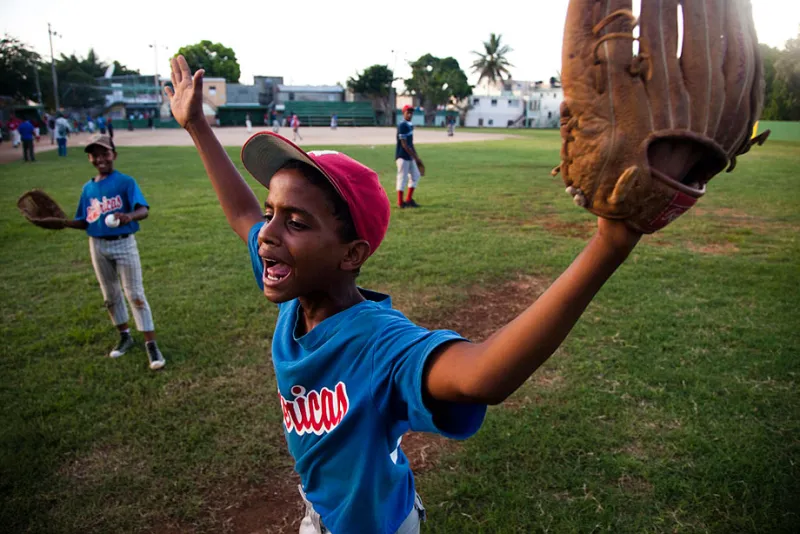
Photo: Michael Hanson, CC BY-SA 4.0, via Wikimedia Commons
Ask any Dominican-American in their twenties or thirties what their first 'real job' paycheck went toward, and you'll rarely hear about sneakers or a car note. More often, it's the same answer their parents gave for decades: the family back home.
But something has shifted. The generation born in New York, Providence, Orlando, and Lawrence isn't just wiring cash anymore. They're asking questions their parents never had the luxury to ask: What is this money actually doing? And can we make it build something that lasts?
From Envelope to Spreadsheet
The remittance itself is sacred ground in Dominican culture — a duty so baked in that economists have a term for how it structures entire households across two countries. For decades, the flow was simple: work here, send there, repeat until retirement or until the family 'made it.' No receipts, no strategy, no questions asked.
Today's second generation grew up watching that ritual, and they absorbed both the devotion and the anxiety around it. Now they're bringing tools their parents didn't have: Venmo, budgeting apps, investment accounts, and — maybe most importantly — the ability to see the full financial picture of both households at once.
'I stopped doing blind transfers about three years ago,' says Yarielis, 29, a nurse practitioner in Boston who sends money to her grandmother in San Cristóbal. 'Now we have a plan. Part goes to her medication, part goes into materials for the colmado my uncle is opening, and part is savings for my cousin's university fees. My mother thought I was being cold at first. Then she saw the colmado.'
Building in the Campo, One Block at a Time
Scroll through any second-gen Dominican's camera roll and you'll find it: the slow-motion construction of a family house in the campo. Sometimes it's a renovation of where abuela still lives. Sometimes it's a dream build — rebar and cinderblock rising in phases, funded by overtime shifts in the Bronx or a side hustle in Orlando.
What's new is the intentionality. Rather than scattering money across a dozen relatives and a dozen emergencies, many young Dominicans are pooling resources with siblings and cousins to fund single, concrete projects: a rental property in Santiago, a small business in a barrio of Santo Domingo, a finished roof before hurricane season.
Financial counselors who work with diaspora communities say this is a quiet revolution. Remittances have historically been consumption spending — rent, food, bills. When that money pivots toward assets, an entire family's trajectory can change. The house gets finished. The bodega becomes real. The cousin doesn't drop out to work.
The Guilt Tax Nobody Talks About
Here's the part that doesn't make it into the group chat: the emotional ledger.
Being the 'success' your family sacrificed for comes with an invisible invoice. There's the guilt of saying no when a relative asks for help with something that feels less like an emergency and more like a want. There's the resentment that simmers when you're skipping your own savings goals while funding someone else's. And there's the unique loneliness of being the bridge — fluent enough in both worlds to be counted on in both, but fully at home in neither.
Therapists in Dominican-heavy cities like Washington Heights and Lawrence say these conversations are finally happening out loud. Second-gen clients describe feeling like an ATM with a heartbeat, or confessing they can't remember the last time they spent money on themselves without a flicker of shame.
The healthiest families, many say, are the ones who've made the arrangement explicit — who talk about money the way they talk about food: openly, generously, and with room for everyone at the table.
Pride, Reframed
None of this is a rejection of the tradition. Ask around and you'll hear it again and again: sending money home is an honor. It's proof the sacrifice meant something. It's the reason a girl from Villa Menta can grow up to be an engineer in New Jersey and still feel the pull of the island in her chest.
What's changing is the definition of 'giving back.' For the remittances generation, it's no longer just keeping the lights on in two households. It's building a version of the future where the next generation might not have to choose between here and there at all.
The wire transfer built the bridge. This generation is pouring the concrete.