From Radio Blacklist to Billboard: The Unstoppable Rise of Bachata
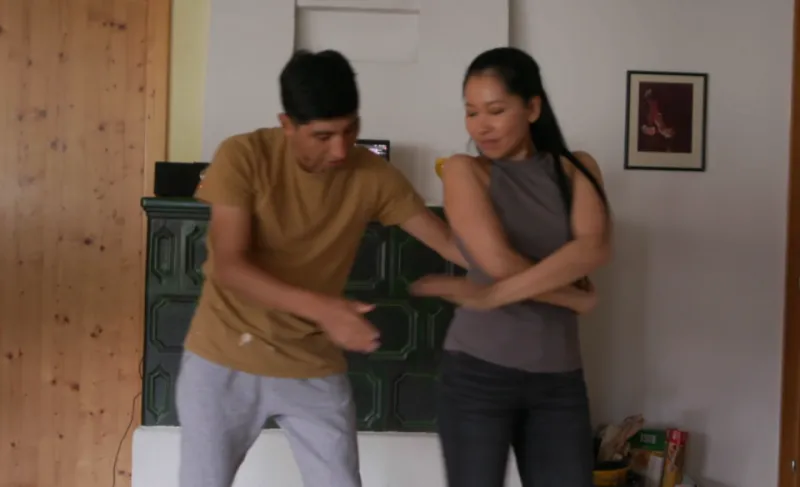
Photo: Elwinlhq, CC BY-SA 4.0, via Wikimedia Commons
There was a time, not so long ago, when bachata was the genre that couldn't say its own name. In the 1960s and '70s, Dominican radio stations simply labeled it "música de guardia" — the music of the night watchman — if they played it at all. The guitars were too raw, the lyrics too sad, the crowd too working-class. Bachata was the sound of the barrio, and the mainstream wanted nothing to do with it.
Fast forward to today, and bachata is the secret weapon on pop albums from Miami to Los Angeles. If you've turned on a Top 40 station in the last few years, you've heard it whether you realized it or not: that syncopated guitar, that bittersweet sway, that chorus that hurts so good.
The Long Walk to Respectability
The turning point came in 1989, when Juan Luis Guerra released Ojalá Que Llueva Café. Suddenly, bachata had a poet — a Berklee-trained bandleader who wrapped the genre's traditional heartache in lush arrangements and clever wordplay. Then came Bachata Rosa in 1990, and the record that made the genre undeniable: Burbujas de Amor. Guerra didn't sanitize bachata; he gave it a tuxedo and let it keep its soul.
The next wave came from the Bronx and Washington Heights, not Santo Domingo. Monchy & Alexandra turned bachata into a duet-driven romance machine. Aventura — led by a young Romeo Santos from the Bronx — fused the genre with R&B and hip-hop swagger, singing in Spanglish about love in the age of pagers and cell phones. "Obsesión" didn't just top Latin charts; it conquered Europe years before most American listeners knew what bachata was.
Why Heartbreak Travels So Well
Every culture has its own music for crying in your beer. The Americans have the blues. The Portuguese have fado. Dominicans have bachata — and bachata might be the most emotionally efficient of them all.
The formula is simple and devastating: a minor-key guitar line that circles like a thought you can't shake, percussion that keeps you moving even while your heart is breaking, and lyrics that live in the gap between pride and regret. It's music about wanting what you can't have and admitting it anyway.
That's why it translates. You don't need to speak Spanish to understand a bachata — you just need to have ever texted someone you shouldn't have. The genre's recent collabs with urbano and pop stars didn't reinvent it; they just handed it a bigger stage. The core product, the pain-and-dance combo, was already export-ready.
What the Takeover Means for Us
Here's what makes this moment different from previous Latin music booms: bachata's rise is inseparable from Dominican visibility. For decades, Dominican artists in the US were asked to be generic "Latin" — to sand off the edges. Now, the edges are the brand. When mainstream stars chase that guitar sound, they're chasing something specifically ours.
For second-generation Dominican-Americans, this is more than a playlist moment. It's hearing the music your parents cleaned the house to on Saturday mornings coming out of a Target speaker. It's validation that the culture you grew up defending at school lunch tables is, in fact, the cool one.
The genre that was once banned from the radio now sets the tempo for American pop. Not bad for the music of the night watchman — though something tells us the watchmen always knew.